Exploring Ancient Settlements for a Sustainable Tomorrow
- Green Behavior Youth Organization

- Aug 31, 2025
- 1 min read


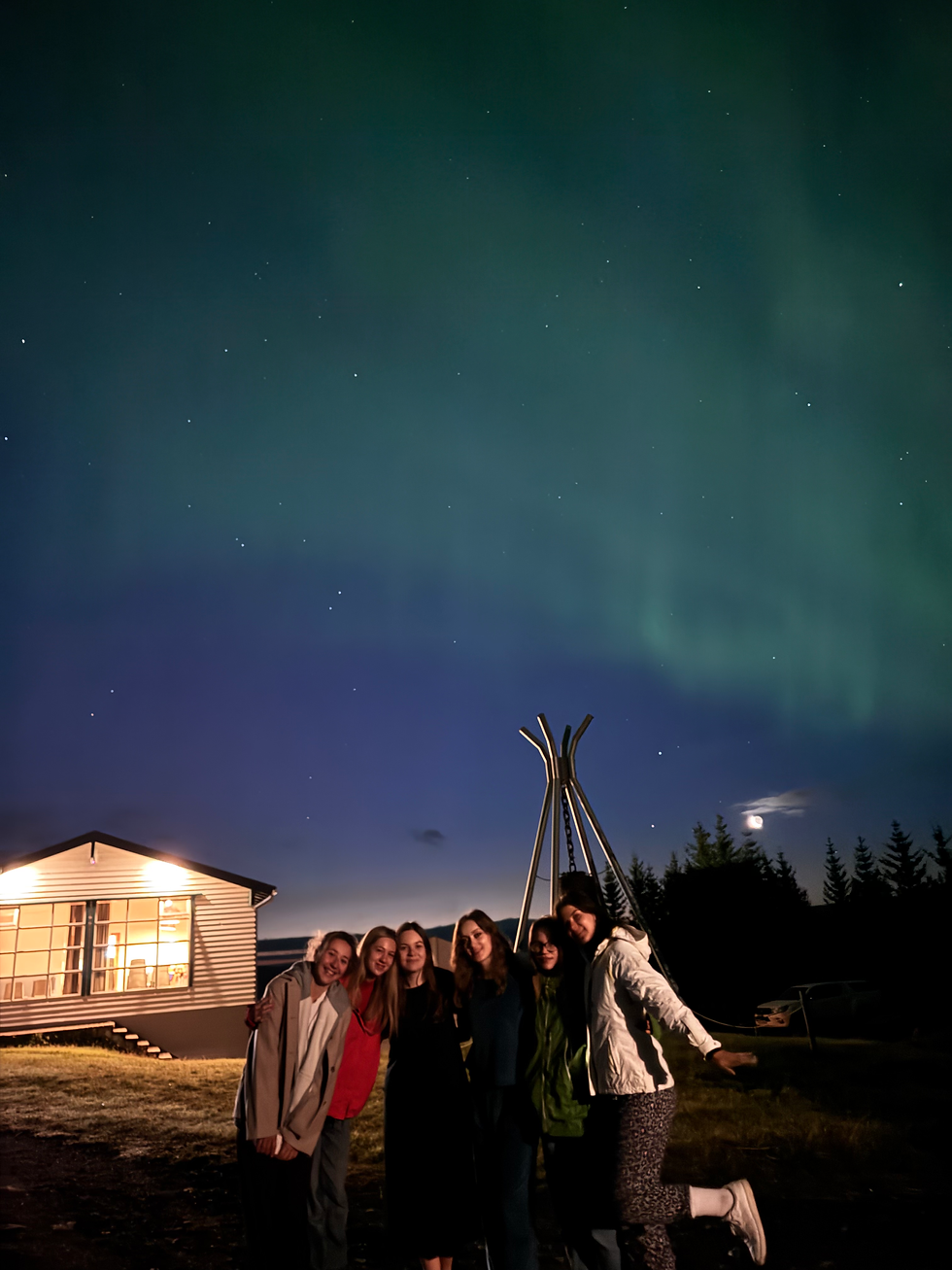
“Roots and the Future: Environmental Sustainability through Archaeobotany” (Project No: 2025-1-IS01-KA152-YOU-000297094) is an Erasmus+ Youth Exchange hosted in Selfoss, Iceland, by the Green Behavior Youth Organization from 18 to 24 August 2025. The project brings together participants from Iceland, Türkiye, Georgia, Ukraine, and Croatia, represented respectively by the Green Behavior Youth Organization, Kabatas Trade Vocational and Technical Anatolian High School, Progressive Youth KKLT, Youth Voice UA, and Brodoto.
Mindfulness and nature-connection practices encouraged participants to begin their learning journey with renewed focus and appreciation for the environment. By engaging in quiet reflection and observing the surrounding landscape, they developed a deeper awareness of the bond between personal well-being and ecological stewardship.
An immersive visit to a settlement exhibition provided firsthand insight into the historical dimensions of archaeobotany. Examining ancient living spaces and the botanical evidence they preserve enabled participants to understand how past communities interacted with their environment and how these lessons can inspire sustainable practices today.
Interactive archaeobotany puzzles transformed scientific inquiry into a collaborative adventure. Working as “plant detectives,” participants analyzed clues related to ancient crops and plant remains, strengthening their problem-solving abilities while discovering the significance of traditional farming methods and biodiversity conservation.
The preparation and presentation of detective reports fostered critical thinking and effective communication. Sharing findings with peers encouraged dialogue, reinforced newly acquired knowledge, and highlighted the value of evidence-based interpretation in both archaeology and environmental studies.
Dissemination activities concluded the experience by empowering participants to communicate their achievements through social media and collaborative blogging. Reflective evaluation and intercultural exchange further strengthened group cohesion, ensuring that the day’s learning would continue to inspire future action for sustainability.


