Climate Education Beyond Classrooms: The Impact of Youth Exchanges
- Green Behavior Youth Organization

- Apr 6
- 2 min read
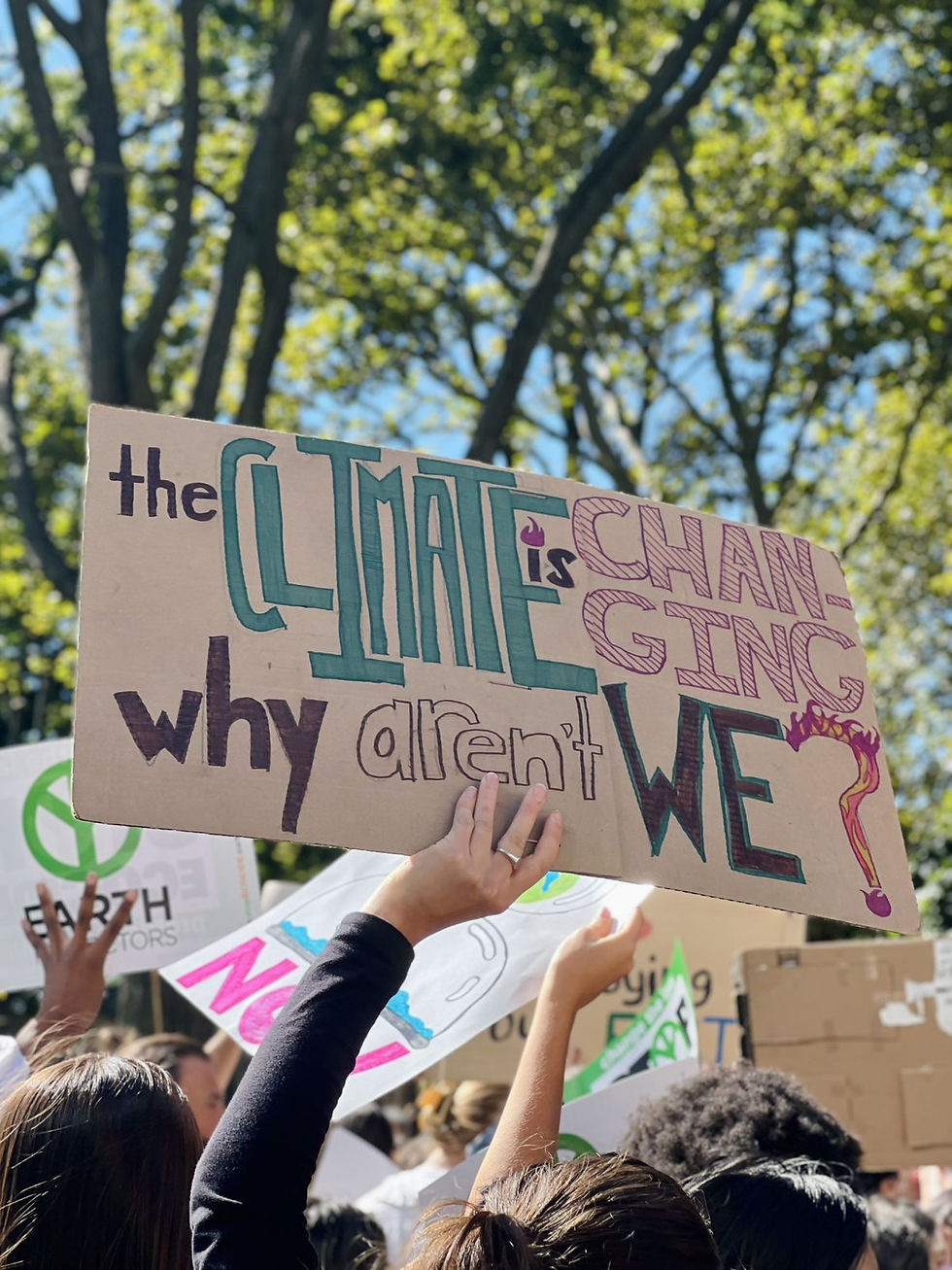
Traditional education systems often address environmental issues through textbooks and theoretical discussions. While this foundation is important, it is frequently insufficient to inspire meaningful behavioral change. Climate education requires not only knowledge but also experience, collaboration, and emotional engagement. This is where youth exchanges, particularly programs like Erasmus+, play a critical role in transforming passive learning into active participation.
Youth exchange programs provide young people with the opportunity to engage directly with environmental challenges in diverse cultural and geographical contexts. For example, in projects like “Climate Guardians: Youth Workers for a Cleaner Tomorrow”, participants explored the causes and consequences of climate change while sharing local experiences from their home countries. This exchange of perspectives allows participants to understand that environmental issues are both global and locally nuanced, fostering a deeper and more comprehensive awareness.
Beyond theoretical understanding, these projects emphasize experiential learning. Participants take part in workshops, field visits, and collaborative activities that demonstrate sustainable practices in real life. In initiatives such as “The Endless Journey of Plastic”, young people examined the lifecycle of plastic waste and observed its environmental impact firsthand. Such experiences make the consequences of unsustainable behavior more tangible, encouraging participants to adopt more responsible habits in their daily lives.
Another significant impact of youth exchanges is the development of soft skills and leadership capacities. By working in international teams, participants improve their communication, problem-solving, and teamwork skills. Projects like “Young Guardians of Forests and Nature” empower young individuals to take initiative and become advocates for environmental protection within their own communities. These programs effectively transform participants from learners into active agents of change.
Ultimately, climate education beyond classrooms is about creating lasting impact. Youth exchanges not only raise awareness but also inspire action and long-term commitment. Participants return to their home countries with new knowledge, practical skills, and a strong motivation to contribute to sustainability efforts. By connecting young people across borders and equipping them with the tools to act, programs like Erasmus+ are shaping a generation that is better prepared to address the environmental challenges of the future.


